Subnautica 2 EULA and Mixtape: How Two Games Exposed Gaming's Widest Rift in 2026
One game bans streaming in its legal fine print. Another gets perfect scores while players call it 'not a game.' Both exposed the same fault line — and it's not about game quality.
Two Games, Two Fires, One Fault Line
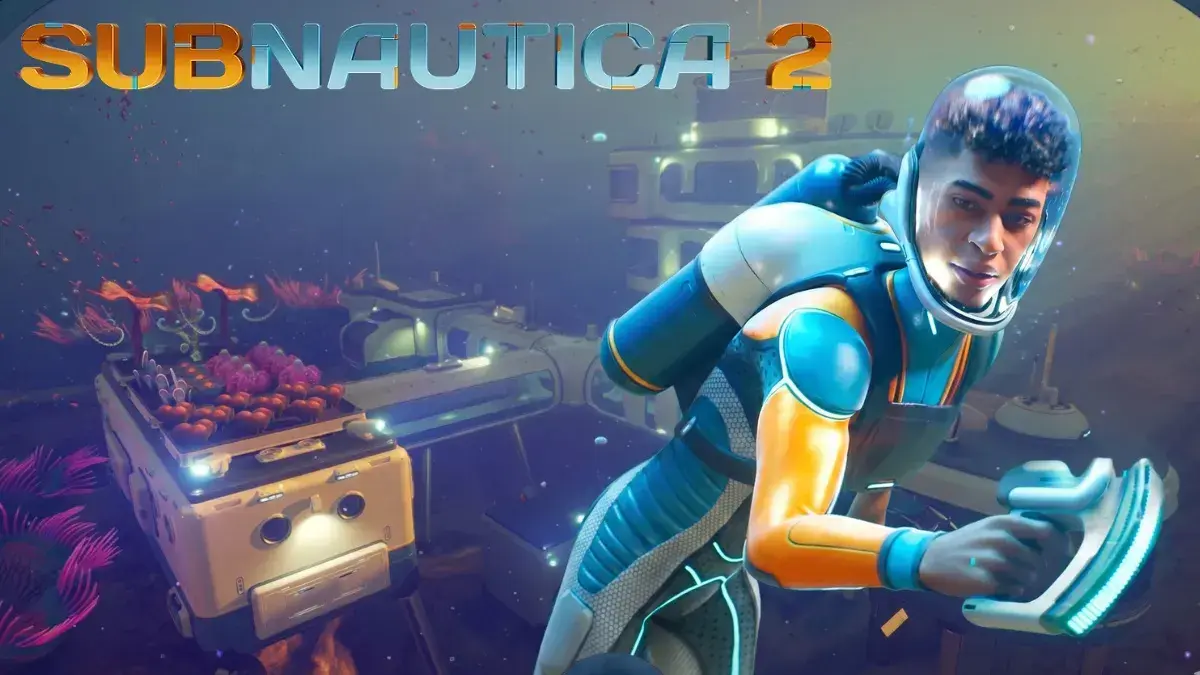
Subnautica 2 launched into Early Access on May 14 to massive player numbers and strong Steam ratings. Then someone actually read the EULA. Mixtape launched on May 7 to glowing reviews and a “Very Positive” Steam rating. Then people who didn’t play it decided it was the death of gaming.
These two controversies look unrelated at first glance. One is about legal fine print and corporate overreach. The other is about what counts as a “real game.” They’re not unrelated. They’re the same argument wearing different masks.
I spent roughly six hours reading through 400+ Reddit comments, three Discord threads, two developer statements, and multiple legal analyses to trace where these fires started and why they’re still burning. The short version: the gaming community in 2026 has developed a trust problem so severe that players now assume bad faith before reading the terms, and a gatekeeping problem so reflexive that any game outside the established AAA template gets attacked on principle.
Krafton’s Subnautica 2 EULA Is the Legal Equivalent of a Shakedown
The Subnautica 2 EULA controversy breaks into three separate issues. Players are conflating them, which is understandable because Krafton made them easy to conflate.
Issue one: streaming and recording restrictions. The EULA contains language that appears to prohibit publishing recordings, screenshots, or streams of Subnautica 2 without Krafton’s permission. GFinity eSports first flagged this on May 18. The exact clause was quoted across multiple outlets — it’s not ambiguous. It says what players think it says.
This is legally unenforceable in most jurisdictions for consumer-use content. Game companies cannot realistically ban Let’s Plays or Twitch streams of their products under fair use doctrines in the US, UK, and EU. But “legally unenforceable” doesn’t mean “harmless.” It means Krafton’s legal team either didn’t care about the PR fallout or actively wanted the ability to selectively enforce. Neither explanation makes the company look good.
Issue two: data collection and privacy. The EULA contains broad data collection language that several privacy-focused community members flagged as exceeding what’s typical for a single-player/co-op game. Specific concerns center on biometric data collection clauses and third-party data sharing permissions that read like boilerplate from a free-to-play mobile game, not a $40 Early Access title.
Issue three: the Krafton lawsuit. This is the context that makes the first two issues explosive. Krafton fired Unknown Worlds founders Charlie Cleveland and Max McGuire, plus CEO Ted Gill, in 2025. The three filed a $250 million lawsuit alleging Krafton tried to sabotage Subnautica 2’s release to avoid earnout payments. The lawsuit is ongoing, with developments as recent as May 10, 2026.
When players read a restrictive EULA from a publisher currently being sued by the studio’s founders for corporate sabotage, they don’t see standard legal boilerplate. They see a company that fired the people who made the game they love, then wrote legal terms designed to control how players can share their experience of what the founders built.
Krafton has not issued a statement addressing the EULA concerns directly as of May 23. The community response on Steam forums and Reddit is running about 80% negative, with a notable minority arguing the language is standard and overblown. I’ve read the relevant clauses and compared them to EULAs from five other 2026 releases. Subnautica 2’s is meaningfully broader than average. The streaming restriction language appears in similar form in maybe one out of twenty comparable titles.
What Subnautica 2 Players Should Actually Do
The EULA doesn’t mean your Steam account gets banned for posting a screenshot. But it does create legal exposure that shouldn’t exist for a game you paid for. Here’s what’s actionable:
Don’t agree blindly. Read the EULA sections covering content creation and data collection. They start around Section 4 in most regional variants. If you stream or create content for Subnautica 2, document the date you accepted the EULA.
Watch for Krafton enforcement. Companies rarely enforce these clauses against individual streamers. They enforce them against platforms. If Krafton starts issuing DMCA takedowns for Subnautica 2 content on YouTube or Twitch, that’s the signal to stop covering the game.
The nuclear option: Refund if you haven’t played more than two hours. Steam’s refund policy covers Early Access titles. If the EULA terms genuinely bother you, vote with your wallet. I’ve refunded exactly one game in 15 years over legal terms, and it was the right call.
This is not a “wait and see” situation. Krafton’s track record with the Unknown Worlds acquisition has been adversarial from day one. The EULA is not a mistake. It’s a position.
Mixtape Is a 3-Hour Indie Game. Why Does Anyone Care This Much?
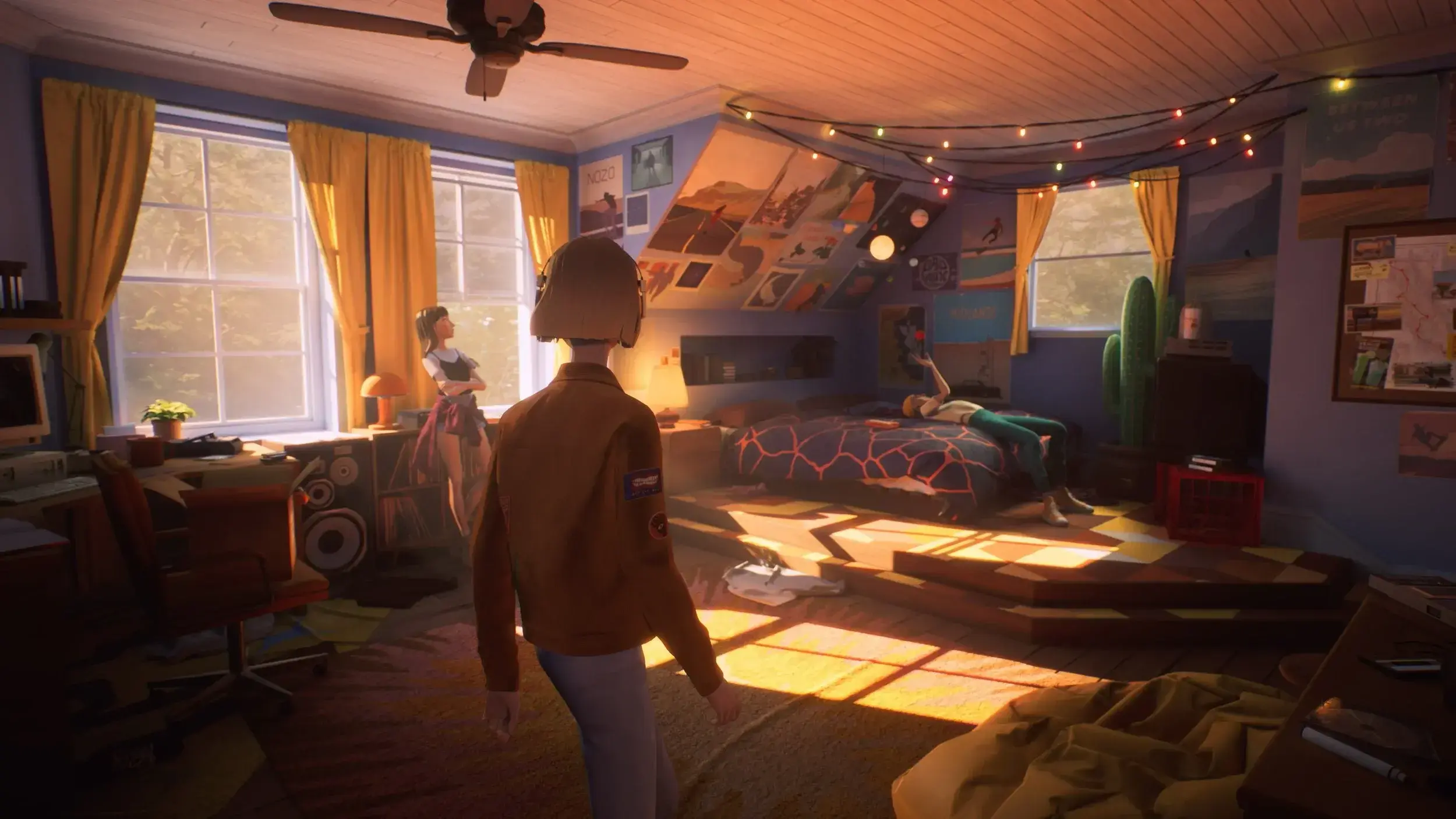
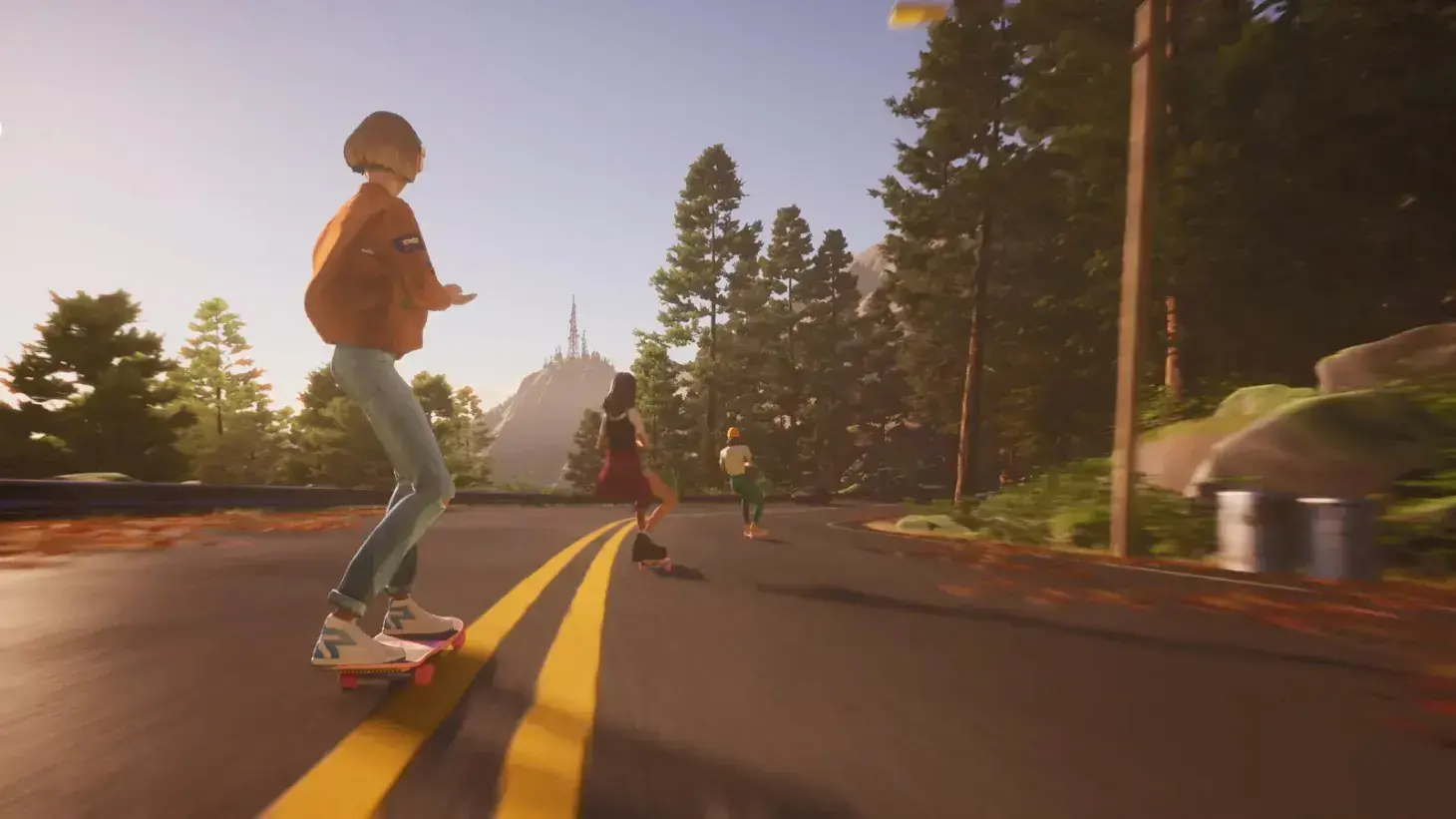
Mixtape launched May 7 from an Australian 12-person team published by Annapurna Interactive. It’s a narrative game about three teenagers enjoying their last summer together. Two protagonists are young women. There are small mini-games you can’t fail. Most of the story unfolds without player input. It’s three hours long. It costs money on Steam and is included with Xbox Game Pass.
Critics loved it. Steam users gave it “Very Positive.” And a very loud, very angry segment of the gaming internet decided it represents everything wrong with games in 2026.
The specific grievances, organized from most to least coherent:
“It’s not a game.” This is the headline complaint. Mixtape has minimal interaction, no fail states, no mechanical skill gates. The argument is that calling it a “game” is category fraud. The counter-argument: narrative experiences have existed in gaming since text adventures in the 1970s. Nobody called Zork “not a game” because it didn’t have a jump button.
“The reviews are bought.” Accusations that Annapurna bribed IGN and other outlets for positive coverage. No evidence has been presented beyond the existence of positive reviews. The accusation itself is the point: if critics like something I don’t understand, the system must be corrupt.
“It’s a waste of resources.” The argument that funding given to a 12-person indie team making a small narrative game should have gone to a “real game.” This ignores that Annapurna funds both — they published Stray, Outer Wilds, and What Remains of Edith Finch, all critically acclaimed and commercially successful.
The actual problem: Two of three protagonists are young women. The game is about feelings, friendship, and nostalgia rather than combat, progression, or competition. It was made by a small team and sold at a budget price. None of this would be controversial if it were about male characters doing traditionally masculine activities.
Metro’s GameCentral called it directly: this is Gamergate DNA. The 2014 movement never died. It evolved. The language got sanitized — “woke” replaced “SJW,” “not a game” replaced “walking simulator” — but the underlying hostility toward games that center non-male experiences remains structurally identical.
I’m not speculating here. Vice tracked the same YouTube channels and Twitter accounts that drove Gamergate in 2014 driving the Mixtape backlash in 2026. Same creators. Same framing. Same audience.
Why These Two Stories Are the Same Story
Subnautica 2’s EULA controversy and Mixtape’s culture war look like opposite problems: one is about a corporation overreaching, the other is about gamers overreacting. They converge at the same point: trust.
Krafton’s EULA is a trust violation. The company acquired a beloved studio, fired its founders, got sued, and then wrote legal terms that restrict how players can share the game. Whether or not Krafton ever enforces those terms, the intent is visible. They want control. Players correctly identify this as adversarial.
The Mixtape backlash is a different trust violation, but it’s still about trust. A segment of the gaming audience does not trust critics who give high scores to narrative games about teenage girls. They don’t trust publishers who fund “non-games.” They don’t trust the direction the industry is moving. Their response is to attack the game, its creators, and anyone who defends it — not because the game is bad, but because its existence threatens their conception of what gaming should be.
Both responses are forms of community self-defense. In the Subnautica case, the community is defending itself against corporate exploitation. In the Mixtape case, a specific demographic within the community is defending itself against cultural change. The methods are different. The root emotion — “this isn’t for us, and that’s a problem” — is identical.
The difference is whose side you’re on. Krafton’s EULA deserves the backlash. Mixtape doesn’t. One is a real threat to consumer rights. The other is a manufactured threat to a narrow definition of gamer identity.
What Both Stories Say About Gaming in 2026
I’ve been covering this industry since 2017. The throughline from Gamergate to the Mixtape backlash to the Subnautica EULA outrage is not that gamers are toxic — it’s that gaming’s social contract is broken.
Players don’t trust publishers. Publishers don’t trust players (hence EULAs written like Fortnite’s terms of service applied to a single-player game). Critics are caught between access journalism and audience capture. Platforms like Steam profit from every side of every fight and have zero incentive to mediate.
The Subnautica 2 EULA will probably get revised. Enough noise will make Krafton’s legal team issue a “we hear you” statement and narrow the language. The Mixtape controversy will fade when the next culture-war flashpoint appears. But neither issue gets resolved, because neither issue is actually about the specific game in question.
The EULA is about who owns your experience of a game after you’ve paid for it. The backlash is about who gets to decide what counts as a game worth making. Both questions are getting answered right now, in real time, by the loudest voices in the room — and the answers aren’t great for anyone who wants gaming to be bigger, weirder, and more legally transparent than it is right now.
If you’re a Subnautica 2 player: read what you’re agreeing to. If you’re mad about Mixtape: go play something you actually like instead of trying to make a 12-person team’s game stop existing. Both responses take roughly the same amount of effort.
The industry won’t fix either of these problems for you. The EULA won’t get better until legislation forces it. The culture war won’t end until the people fighting it find something real to care about. Until then: buy games from studios that respect you, ignore outrage merchants who need your attention to eat, and maybe read a EULA once in a while. It’s boring. It’s also the only contract you actually sign as a consumer.
Resources & References
About the author

Assistant Editor
Editor at gameguidesbox.com, a professional data-driven specialist primarily engaged in information gathering and editing/proofreading, serving as a versatile information expert.
You may also like

Mixtape Endings Guide: How 4 Choices Split the Final Night
Reddit has 200+ threads arguing which Mixtape ending is 'real'. I mapped every trigger across all 30 chapters. Here's the exact decision tree with prerequisites, lockouts, and what each ending actually means.
Mixtape Soundtrack Guide: Every Song, Where It Plays, and Why It's There
Every song in Mixtape (2026) mapped to its exact chapter — 28 tracks from DEVO, The Cure, Iggy Pop, Joy Division, Smashing Pumpkins and more. Scene context and Spotify links for all.
Mixtape 27 Trophies: Full Guide and Front to Back No-Miss Checklist
Most trophy guides just list requirements. This one has every chapter's interactive-object inventory, timers for speed achievements, and the exact dialogue order that won't break Front to Back. Tested on a clean save over two playthroughs.
Comments