Crimson Desert's Mixed Launch Reveals the Uncomfortable Truth About Hype Economics
Five million sales and a 30% stock crash happened at the same time. That's not a paradox — it's exactly what happens when years of unchecked hype collides with a game that's good but not transcendent.
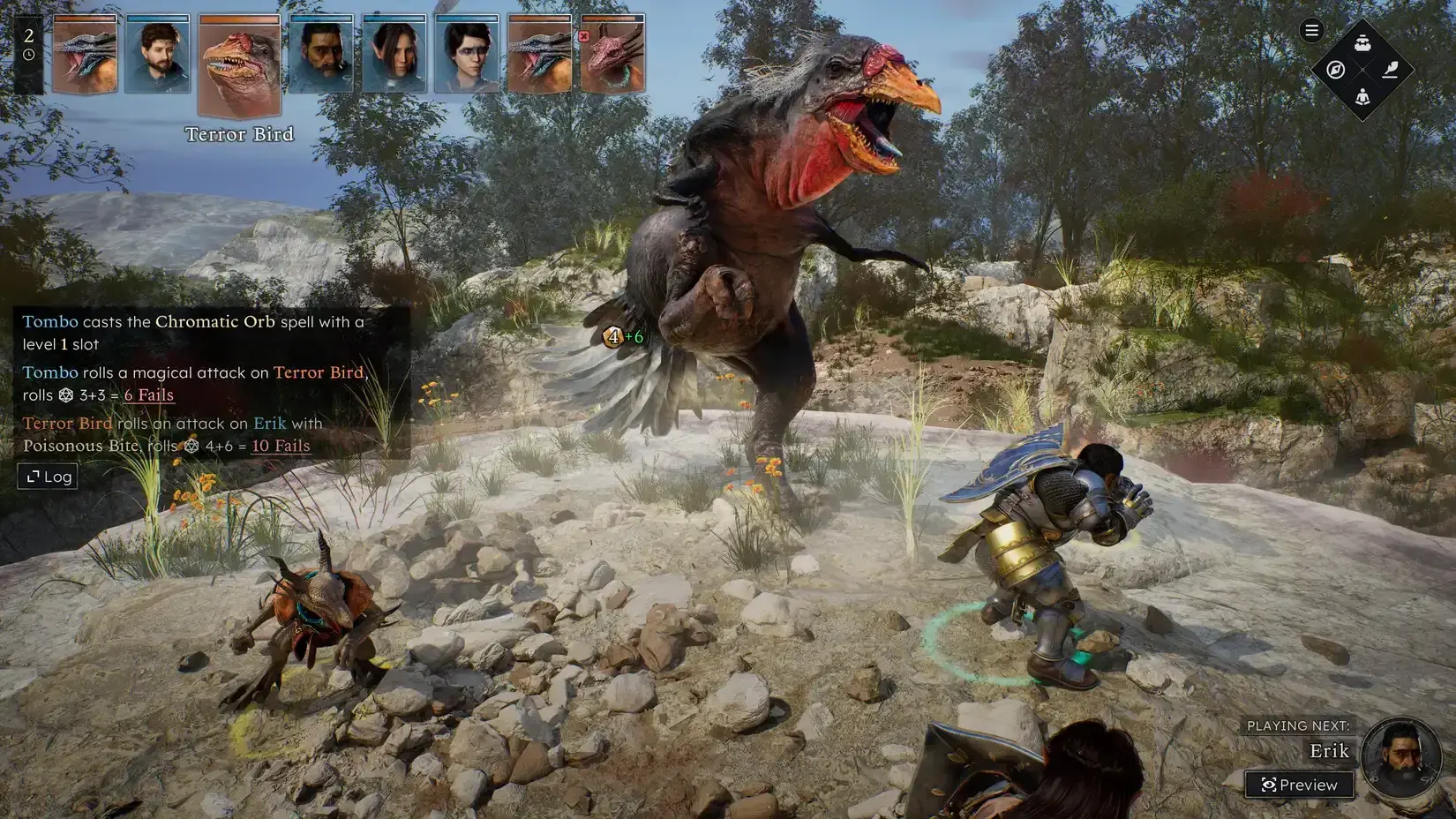
Crimson Desert sold nearly 5 million copies and lost Pearl Abyss 30% of its stock value in the same week. If that sentence sounds like it shouldn’t make sense, welcome to how game launches work in 2026.
This isn’t a failure story. It’s not a success story either. It’s something more uncomfortable: a mirror held up to what happens when a game spends years being everything people projected onto it, and then arrives as simply a good game.
The Hype Was Always the Problem
Crimson Desert has been in development since roughly 2019. That’s seven years of trailers that looked incredible, gameplay demos that got standing ovations at trade shows, and a community that turned every piece of footage into confirmation that this was going to be the game that saved action-RPGs, proved Korean studios could compete at the highest level, and justified every moment they’d been waiting.
That’s not Pearl Abyss’ fault. Or not entirely. They made great trailers. The game genuinely looks spectacular. But they also let seven years of momentum build without ever calibrating expectations downward, which means they arrived at launch carrying an invisible debt they could never fully repay.
When the game came out and it was “really good but the optimization is rough and the playable trio system is weird and some UI elements look like AI-generated placeholder art that never got replaced,” the market’s reaction was swift. Wall Street, which had priced in a generational masterpiece, got a well-executed mid-tier AAA game instead. Hence: 30% stock drop.
Meanwhile, 5 million players who wanted a big, beautiful action game found one. Hence: 5 million sales.
Both of these things are true simultaneously, and the cognitive dissonance of holding both is what makes the Crimson Desert launch one of the more interesting industry stories of the year.
The AI Art Situation Is Indicative of Something Larger
The allegations around AI-generated UI elements haven’t been confirmed by Pearl Abyss, but they haven’t been denied either. And regardless of whether the specific claims hold up, the fact that they landed is revealing.
Gaming communities are now primed to look for this. Every texture that looks slightly off, every icon with a weird background artifact — people are checking. This is the post-Palworld world, where AI art in games is a PR flashpoint regardless of how minor the usage is.
If Pearl Abyss did use AI-generated assets somewhere in a game’s worth of UI and interface elements, the response feels disproportionate to the actual creative impact. But we’re not in a space where proportionate responses happen. We’re in a space where perception management is as important as the actual product, and Pearl Abyss either wasn’t prepared for that or chose to say nothing and hope it passed.
It hasn’t passed.
What “Mixed Reviews” Actually Means Now
The Steam review score conversation is always complicated, but it’s worth being specific here. Crimson Desert’s reviews aren’t review-bombed — there’s no coordinated campaign, no off-topic political grievance, no competing fanbase trying to tank the score. The mixed reviews are genuine reactions from players who encountered specific problems: inconsistent performance, a battle system that doesn’t explain itself, a narrative structure that takes a while to find its footing.
That’s different from Slay the Spire 2’s situation this week, where a balance patch led to 5,000 negative reviews in a single day from players whose builds got nerfed. That’s a protest. Crimson Desert’s mixed score is a report card.
And the report card says: technically impressive, commercially successful, did not deliver the transcendent experience that seven years of anticipation suggested it would.
The Switch 2 Port Conversation Is Smart Distraction
I’ll give Pearl Abyss credit for one thing: floating the Switch 2 port conversation at exactly this moment was a move. Whether intentional or not, it shifted some of the discourse from “here’s what’s wrong with the game” to “wait, could this work on portable hardware?”
The answer to that question is genuinely interesting from a technical standpoint. The BlackSpace Engine is not designed for portable hardware. Getting Crimson Desert running well on Switch 2 would require significant engineering work — probably comparable to how Witcher 3 was ported to original Switch, which took an external studio years of work and still ran like a slideshow in some areas.
But if they can pull it off, or even credibly claim they’re pulling it off, they extend the conversation around the game into a second act. That’s valuable when your first act ended with a stock crash.
The Uncomfortable Verdict
Crimson Desert is good. It’s not the game that was promised, or rather, it’s not the game people decided it would be based on years of trailers and wishful thinking. Pearl Abyss made a competent, visually ambitious, commercially successful game that has real problems and will probably improve significantly over the next year with patches and updates.
The stock crash was the market correcting for years of overpromising, real or implied. The 5 million sales were players voting with their wallets for a game that actually exists.
Both groups were responding rationally to the information they had. The tragedy is that those two information sets were never aligned in the first place.
Crimson Desert didn’t fail. The story we told ourselves about it did.
About the author

Assistant Editor
Editor at gameguidesbox.com, a professional data-driven specialist primarily engaged in information gathering and editing/proofreading, serving as a versatile information expert.
You may also like
Crimson Desert Patch Turns Reviews Around After Rocky Launch
Pearl Abyss fixes critical bugs and adds quality-of-life features, pushing Steam reviews from 'Mixed' to 'Mostly Positive' within two weeks.
Crimson Desert PC Optimization Guide: How to Actually Get Good Performance on Mid-Range Hardware
The BlackSpace Engine is beautiful and unforgiving. Here's how to stop your GPU from crying and actually enjoy Crimson Desert without dropping to single-digit frames in open areas.
Crimson Desert Abyss Cores Class Priority: Best Core Selection for Each Profession
Tier 3 is the sweet spot for permanent upgrades. This class-by-class breakdown shows S-tier cores for Warrior, Mage, and Ranger builds with exact slot priorities.
Comments