Solasta II: The Ultimate Beginner's Guide - Everything You Need to Know
Starting your journey in Neokos,We've got you covered. From character creation to endgame builds, this guide breaks down everything you need to dominate Solasta II's tactical combat.
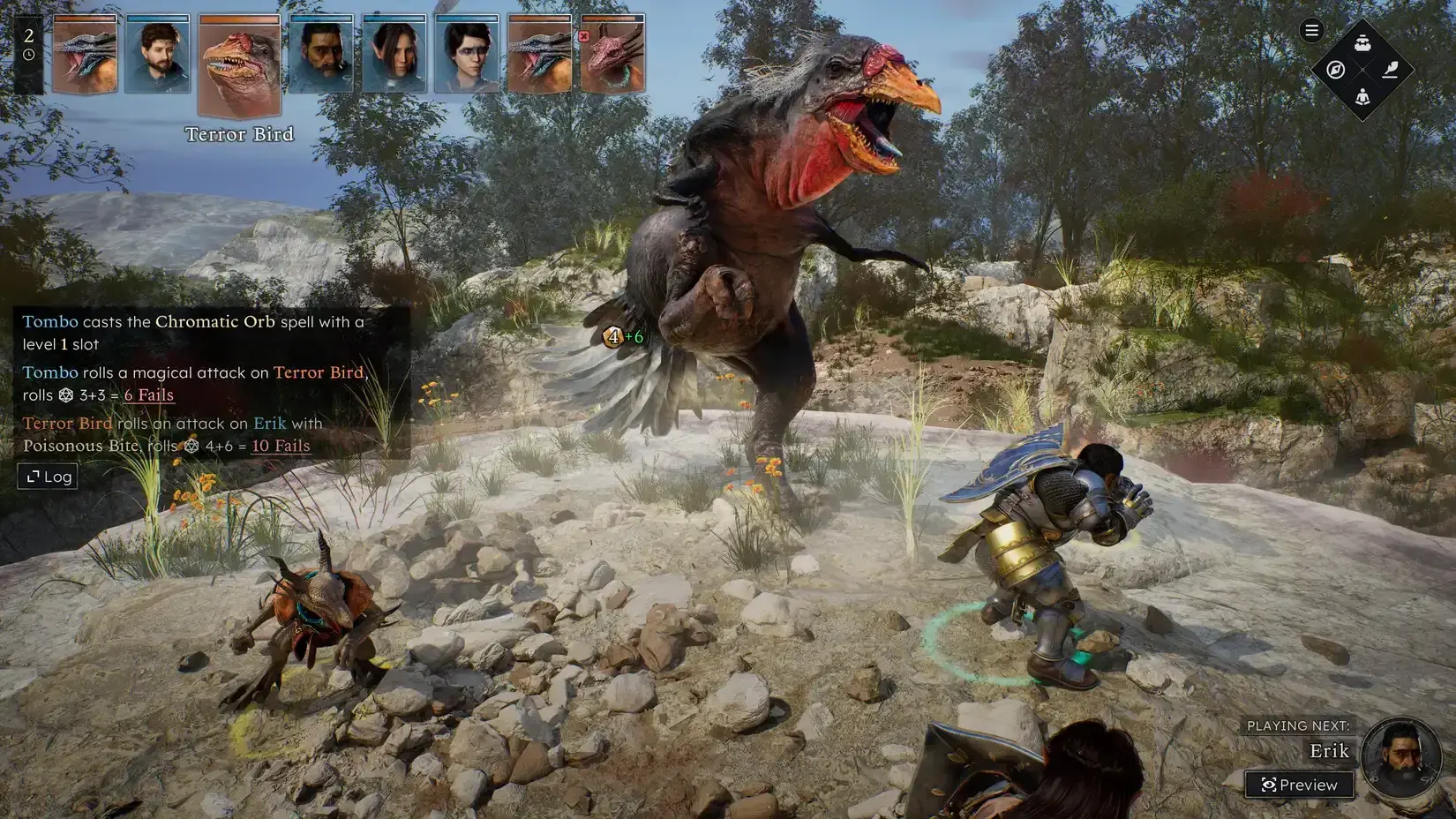
Welcome to Neokos, adventurer! This comprehensive guide covers everything you need to know to start your Solasta II journey strong. From character creation to advanced combat tactics, we’ll walk you through the D&D ruleset changes, optimal party compositions, and proven strategies for conquering the Early Access campaign.
Table of Contents
- Game Overview & What’s New
- Character Creation Master Guide
- All Classes Ranked & Explained
- Subclass Breakdown for Early Access
- Combat System Deep Dive
- Overworld Exploration & Survival
- Factions of Neokos
- Early Game Walkthrough: Tor Wen to Caer Mar
- Best Party Compositions
- Essential Tips & Common Mistakes
Game Overview & What’s New

Release Date: March 12, 2026 (Early Access)
Platforms: PC (Steam)
Ruleset: D&D 5e 2024 Player’s Handbook
Engine: Unreal Engine 5
Max Level (EA): 4
Estimated Playtime (EA): 10-15 hours
Major Changes from Solasta 1
| Feature | Solasta 1 | Solasta 2 |
|---|---|---|
| Engine | Unity | Unreal Engine 5 |
| Party | 4 custom + optional companions | 4 custom characters (Colwell family) |
| Ruleset | D&D 5e 2014 | D&D 5e 2024 |
| Exploration | Linear node-based | Open overworld map |
| Dialogue | Single protagonist | Full party participation |
| Character Creation | Basic | Deep customization (faces, tattoos, scars) |
| Voice Acting | Limited | Full party voice acting |
The 2024 Ruleset Changes
Solasta II uses the updated D&D 2024 rules. Here’s what changed:
Weapon Masteries: Each class has specific weapon mastery properties. Fighters get the most flexibility.
Species vs. Background: Backgrounds now provide skill proficiencies that were previously tied to race. This means more flexibility in character building.
Revised Class Features: Many classes received updates. Notable changes include:
- Rogue: Steady Aim at level 3 (ranged Sneak Attack), Cunning Strike at level 5
- Wizard: New subclasses (School of Ruin, Court Mage)
- Cleric: Three subclasses at launch (Battle, Life, and a third surprise domain)
- Feats: Most stat-boosting feats now give +1 instead of +2, plan accordingly
Character Creation Master Guide
Step 1: Choose Your Species
Early Access launches with 4 species:
| Species | Bonus | Best For |
|---|---|---|
| Human | +1 to all abilities | Versatile, multiclassing |
| Elf | +2 Dexterity, Fey Ancestry | Rogues, Wizards, Rangers |
| Dwarf | +2 Constitution, poison resistance | Fighters, Clerics, Paladins |
| Halfling | +2 Dexterity, Lucky trait | Rogues, ranged builds |
Pro Tip: Species bonuses matter less than in previous editions. Background selection now determines many skill proficiencies.
Step 2: Select Your Class
Six classes available at launch:
- Fighter - Martial weapon master, Action Surge
- Rogue - Sneak Attack, skills, stealth
- Wizard - Arcane spellcasting, utility
- Cleric - Divine magic, healing, armor
- Paladin - Holy warrior, Divine Smite
- Sorcerer - Innate magic, Metamagic
Coming Soon: Barbarian, Bard, Druid, Monk, Ranger, Warlock
Step 3: Assign Ability Scores
Standard array or point buy available. Priority by class:
| Class | Primary | Secondary | Tertiary |
|---|---|---|---|
| Fighter | Strength | Constitution | Dexterity |
| Rogue | Dexterity | Intelligence | Charisma |
| Wizard | Intelligence | Wisdom | Constitution |
| Cleric | Wisdom | Strength | Constitution |
| Paladin | Strength | Charisma | Constitution |
| Sorcerer | Charisma | Constitution | Dexterity |
Critical Feat Planning: Most feats now give +1 to a stat. If you plan to take a feat at level 4, start with an odd number (17) in your primary stat. Otherwise, go with 16 and take Ability Score Improvement.
Step 4: Choose Background
Backgrounds provide skill proficiencies and roleplay hooks. Essential skills for your party:
Must-Have Skills:
- Athletics (Strength) - Climbing, shoving, grappling
- Stealth (Dexterity) - Ambushes, avoiding encounters
- Sleight of Hand (Dexterity) - Lockpicking, theft
- Investigation (Intelligence) - Finding secrets, traps
- Persuasion (Charisma) - Dialogue checks
- Arcana (Intelligence) - Magic items, enchanting
- Religion (Intelligence) - Core to Solasta 2’s story
Pro Tip: No reroll mechanics exist. Failed dialogue checks can lock you out of content or force unnecessary fights.
Step 5: Visual Customization
Solasta II features extensive customization:
- Face blending (mix multiple presets)
- Hairstyles and facial hair
- Tattoos, scars, freckles, makeup
- Eyebrow positioning and styling
Warning: The character creator can be a time sink. You can spend hours here. Set a timer.
All Classes Ranked & Explained
Tier S: Best Overall
Fighter
Difficulty: Easy
Role: Tank / DPS
Early Access Subclasses: Aether Warden, Commander, Spellblade
The Fighter is the most beginner-friendly and consistently powerful class. Every level feels impactful:
- Level 1: All weapon proficiencies, Second Wind (self-heal), Fighting Style
- Level 2: Action Surge (extra action, once per short rest)
- Level 3: Subclass features
- Level 4: Feat
Best For: New players, melee DPS, tanking
Battle Domain Cleric
Difficulty: Easy-Medium
Role: Hybrid DPS / Support
Early Access Subclasses: Battle, Life, (third domain)
Battle Clerics are unexpectedly OP. They function nearly as full Fighters with the added benefit of Cleric spellcasting:
- Heavy armor and martial weapons
- Divine Fortitude (large HP restore per short rest)
- Magic bonus attack + two main attacks
- Access to concentration spells like Bless and Spiritual Weapon
Best For: Players who want versatility without complexity
Tier A: Strong Picks
Court Mage Wizard
Difficulty: Medium
Role: Control / Support / Damage
Early Access Subclasses: Court Mage, School of Ruin, Loremaster, Greenmage, Shock Arcanist
The most survivable Wizard subclass:
- Always Prepared: Use shields with spells
- Spell Shield: Reach AC 18 with Mage Armor + shield + Dex
- Criminal background + Alert feat lets you act early for crowd control
Best For: Players who want Wizard utility without the squishiness
Scavenger Rogue
Difficulty: Medium
Role: Melee DPS / Utility
Early Access Subclasses: Scavenger, Shadowcaster, Darkweaver, Hoodlum, Thief
Sustained melee damage through Sneak Attack mechanics:
- High Dexterity and Stealth for exploration
- Haggler: 10% better buy/sell rates
- Steady Aim for reliable ranged Sneak Attacks
- Cunning Strike (level 5) trades damage for effects
Best For: Players who want consistent damage and exploration utility
Tier B: Situational
School of Ruin Wizard
Difficulty: Medium-Hard
Role: Glass Cannon DPS
Early Access Subclasses: Court Mage, School of Ruin, Loremaster, Greenmage, Shock Arcanist
Maximum magical firepower at the cost of survivability:
- Sage and Magic Initiate feats expand spellbook
- Mana Feedback returns spell damage when hit
- Deadly Resonance repeats spell damage on next turn
- Punishes enemies for targeting you
Best For: Players who prioritize damage over survival
Paladin
Difficulty: Medium
Role: Tank / Burst DPS
Early Access Subclasses: Oath of Devotion, Oath of Judgement, Oath of Liberation, Oath of the Motherland, Oath of Tirmar
Elite warriors with holy oaths:
- Divine Smite for burst damage
- Heavy armor proficiency
- Charisma-based spellcasting
- Warning: Smite popups can be annoying (community feedback)
Best For: Players who want tankiness with burst potential
Tier C: Early Access Limited
Sorcerer
Difficulty: Hard
Role: Blaster / Controller
Early Access Subclasses: Child of the Rift, Draconic Bloodline, Haunted Soul, Mana Painter, Star Child
Innate magic users with Metamagic:
- Limited spell slots but flexible casting
- Metamagic modifies spells (Twinned, Quickened, etc.)
- Lower level cap in EA limits potential
Best For: Experienced players who understand resource management
Subclass Breakdown for Early Access
Fighter Subclasses
Aether Warden
Focus: Tank / Control
Key Features: Aether-based abilities, battlefield control
Commander
Focus: Team Support
Key Features: Rousing Shout (useful for regular and spell attacks), team-focused buffs
Spellblade
Focus: Hybrid Caster / Martial
Key Features: Cantrips with Wizard power, spell access
Verdict: Arguably the best Fighter subclass for versatility
Rogue Subclasses
Scavenger
Focus: Sustained Melee DPS
Key Features: Sneak Attack optimization, Haggler (10% better prices)
Shadowcaster
Focus: Stealth / Magic
Key Features: Shadow-based abilities, magical utility
Wizard Subclasses
Court Mage
Focus: Survivability / Control
Key Features: Shield proficiency, Spell Shield, high AC
Verdict: Best for beginners
School of Ruin
Focus: Pure Damage
Key Features: Mana Feedback, Deadly Resonance, spell damage amplification
Verdict: Best for experienced casters
Cleric Subclasses
Battle Domain
Focus: Melee DPS
Key Features: Martial weapons, heavy armor, Divine Fortitude
Verdict: OP, recommended for all players
Life Domain
Focus: Healing / Support
Key Features: Enhanced healing, party sustainability
Combat System Deep Dive

Action Economy
Solasta II uses standard D&D 5e action economy:
- Action: Attack, cast spell, dash, disengage, etc.
- Bonus Action: Class abilities, some spells, off-hand attack
- Reaction: Opportunity attacks, Shield spell, Counterspell
- Free Action: Object interaction, communication
Key Combat Mechanics
Verticality
Solasta II emphasizes vertical positioning:
- Higher ground = +2 to hit (ranged)
- Flying creatures are harder to target
- Knocking enemies prone gives advantage to adjacent attackers
Lighting & Darkvision
- Darkness imposes disadvantage on attacks
- Darkvision allows seeing in darkness (range varies by species)
- Light spells can turn the tide of battle
Opportunity Attacks
Moving out of an enemy’s reach triggers an opportunity attack unless you Disengage.
Concentration
Many powerful spells require concentration:
- Only one concentration spell at a time
- Taking damage forces Constitution saves
- Losing concentration ends the spell
Best Early Spell Combos
Sleep + AOE
Setup: Wizard casts Sleep (enemies under HP threshold fall unconscious)
Follow-up: AOE spell (burning hands, thunderwave) hits sleeping enemies
Result: Automatic crits on adjacent enemies
Bless + Smite
Setup: Cleric/Paladin casts Bless (1d4 to attack rolls and saves)
Execution: Paladin uses Divine Smite on hit
Result: Higher hit chance + burst damage
Web + AOE
Setup: Wizard casts Web (restrains enemies)
Follow-up: Fire-based AOE ignites the web
Result: Restrained enemies take fire damage and can’t escape easily
Combat Tips
- Focus Fire: Kill one enemy at a time to reduce incoming damage
- Use High Ground: Position ranged characters on elevated terrain
- Manage Concentration: Don’t cast multiple concentration spells
- Short Rest Often: Fighters, Warlocks, and others regain resources
- Potions Are Key: Use potions during elites, not just bosses
Overworld Exploration & Survival
The Free Roam System
Solasta II replaces linear node-based travel with an overworld map:
- Hex-based movement: Travel tile by tile
- Resource meter: Tracks food rations and movement
- Random encounters: Combat and events while traveling
- Day-night cycle: Affects visibility and encounters
- Environmental hazards: Weather, terrain effects
Movement Mechanics
Standard Movement: Uses movement points from the meter
Force March: Continue after meter depletes, but imposes penalties
Rest: Uses food rations, restores party
Critical: Food rations deplete quickly. Plan your routes carefully.
Survival Tips
- Stock Up: Buy extra rations before long journeys
- Avoid Force March: Penalties make combat much harder
- Rest Strategically: Long rests restore everything but use rations
- Watch the Clock: Day-night cycle affects encounters
Factions of Neokos
The Beacon
Capital: Caer Mar
Description: Remnant of the Manacalon Empire, ruled by Lady Anabasia. Strong laws, heavy guard presence. Open to travelers but one wrong word lands you in dungeon cells.
Reputation Benefits: Access to Caer Mar, legal protection, trade routes
The Argad Republic
Description: Aggressive expansion halted by the Cataclysm. Former slaves escaped and turned on masters. Now confined to northern peninsula.
Worship: Misaye favored, “Declaration of Misaye and the Free” displayed in market squares
Reputation Benefits: Trade discounts, unique items, quest access
Other Factions
More factions will be revealed throughout Early Access and full release.
Faction Reputation System
Choices Matter: Helping one faction may anger another. Decisions can lead to characters living or dying later.
Faction Items: Collect and turn in for reputation gains and rewards.
Early Game Walkthrough: Tor Wen to Caer Mar
Starting Area: Tor Wen
Setting: Quaint seaside village with caves, cliffs, bridges, and docks
Problem: Recent tremors causing unrest
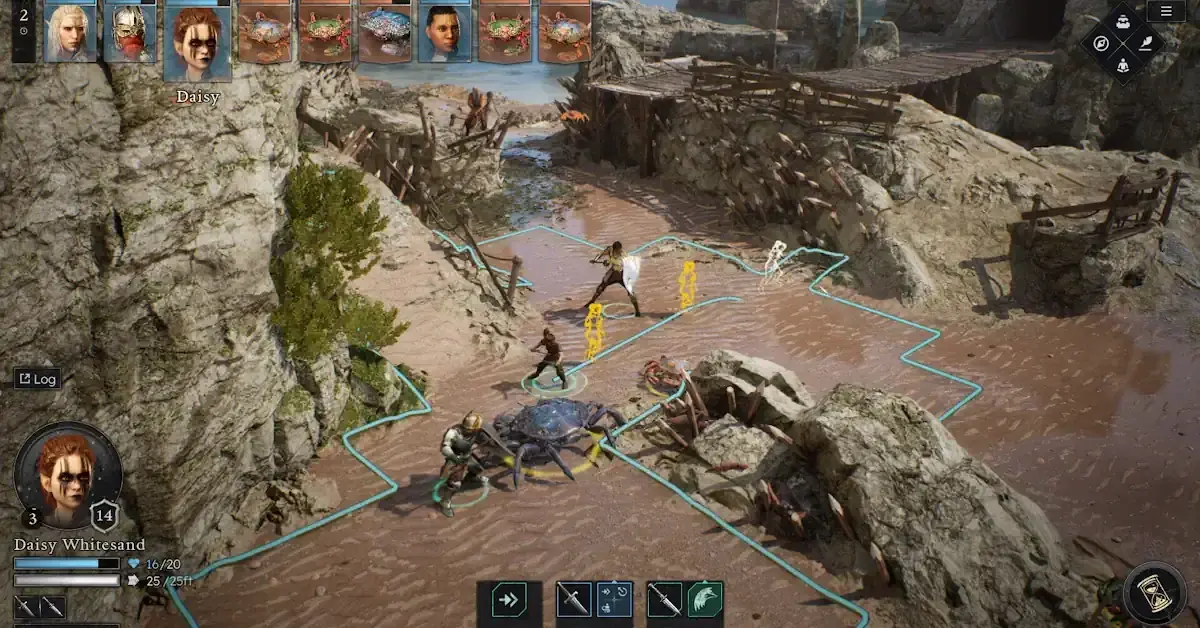
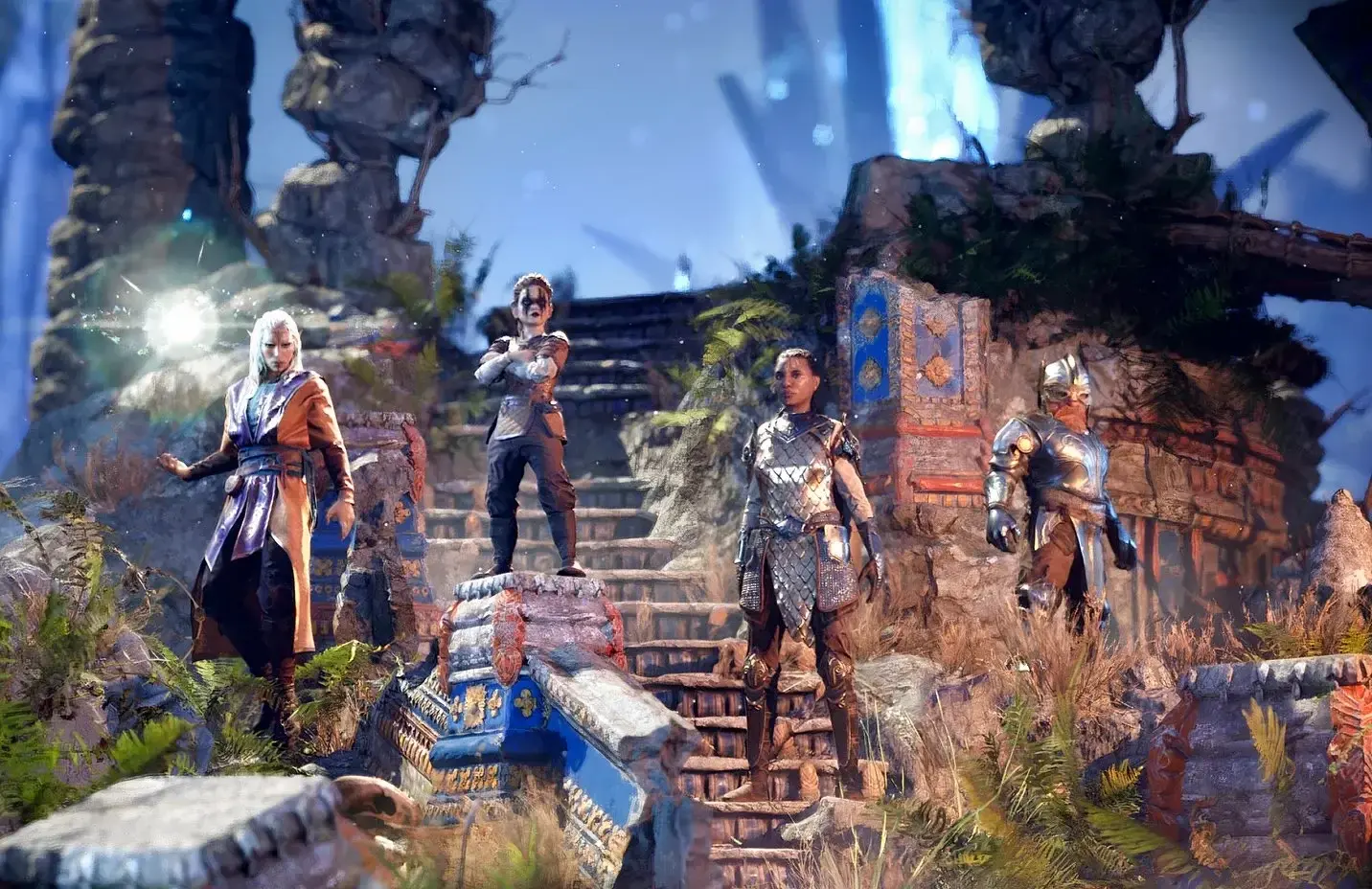
Starting Characters: Demo uses premade Level 3 party (Knut-Paladin, Neyra-Fighter/Cleric, Joralas-Sorcerer, Daisy-Rogue)
First Combat Strategy
- Assess the Threat: Identify enemy types and positioning
- Use High Ground: Position ranged characters on elevation
- Focus Fire: Eliminate one enemy at a time
- Manage Resources: Don’t blow all spell slots on trash mobs
Tor Wen Checklist
- Complete tutorial quests
- Gather starting supplies
- Talk to all NPCs for quest hooks
- Explore nearby caves for loot
- Stock up on rations for travel
Journey to Caer Mar
- Map Route: Plan your path to minimize random encounters
- Rest Before Arrival: Enter the city with full resources
- Faction Introduction: First major faction hub
- Quest Board: Pick up side quests for extra XP and reputation
Caer Mar Docks
Important: This is your first major hub. Stock up on:
- Food rations
- Potions (healing, utility)
- Weapon upgrades
- Quest information
Best Party Compositions
Classic Balanced Party
Composition: Fighter, Rogue, Wizard, Cleric
Why It Works: Covers all roles and skill checks
Best For: First playthrough, learning the game
Short Rest Party
Composition: Barbarian, Monk, Bard, Warlock
Why It Works: All classes benefit from short rests, sustainable resource management
Best For: Extended dungeon crawls
Spellcaster Heavy
Composition: Wizard, Sorcerer, Cleric, Paladin (or Fighter)
Why It Works: Overwhelming magical power, one martial for frontline
Best For: Experienced players who understand action economy
Melee Beatdown
Composition: Fighter, Paladin, Rogue, Cleric (Battle)
Why It Works: Devastating close-quarters combat
Best For: Players who prefer tactical positioning over spell management
Party Skill Coverage
Ensure your party has these skills covered:
- Athletics (everyone should have some)
- Stealth (Rogue or high-Dex character)
- Sleight of Hand (Rogue with Expertise)
- Persuasion (Charisma-based character)
- Investigation (Intelligence-based character)
- Arcana (Wizard or Intelligence character)
- Religion (Cleric or Intelligence character)
Essential Tips & Common Mistakes
Do’s
Pick a balanced party - Diverse skills and combat roles
Plan ability scores around feats - Odd numbers (17) if taking +1 feats
Use potions during elites - Not just bosses
Short rest frequently - Regain Fighter Action Surge, Warlock slots, etc.
Respect verticality - High ground matters
Cover essential skills - No rerolls means failed checks have consequences
Save before major decisions - Dialogue choices matter
Don’ts
Ignore skill checks - Failed checks lock content and force fights
Over-invest in single stats - Feats now give +1, plan accordingly
Cast multiple concentration spells - You’ll lose one
Force march unnecessarily - Penalties make combat brutal
Skip tutorial - 2024 ruleset has important changes
Multiclass in Early Access - Level 4 cap doesn’t justify it
Hoards potions - Use them, they’re meant to be consumed
Common New Player Mistakes
- Wrong Skill Distribution: No one has Athletics or Persuasion
- Ignoring Rest Mechanics: Running out of resources before bosses
- Poor Positioning: Not using verticality and cover
- Spell Slot Mismanagement: Blowing high-level slots on trash mobs
- Not Reading Item Descriptions: Missing key mechanics and synergies
Frequently Asked Questions
What is the best starting class in Solasta 2?
Fighter is the most beginner-friendly class with high survivability and straightforward mechanics. For spellcasters, Court Mage Wizard offers the best survivability with shield proficiency. Battle Domain Cleric is also excellent for new players who want versatility.
How many characters do I control in Solasta 2?
You control a party of four custom characters throughout the entire game. Unlike other RPGs, there are no companion recruits - your created party is the Colwell family, and all four characters participate in combat, dialogue, and exploration skill checks.
What's the difference between Solasta 2 and Baldur's Gate 3?
Solasta 2 uses the 2024 D&D 5e ruleset (BG3 uses 2014), features a fixed party of four custom characters instead of companions, has more tactical verticality-focused combat, and uses an overworld map system for exploration rather than continuous exploration.
Should I multiclass in Solasta 2?
Multiclassing is available but not recommended for your first playthrough. Wait until you understand the base classes. For Early Access (max level 4), you won't have access to multiclassing benefits anyway. Focus on reaching level 3 for subclass selection first.
What party composition works best?
The classic balanced party works great: Fighter (tank/DPS), Rogue (damage/utility), Wizard (crowd control/AOE), and Cleric (healing/support). This covers all skill checks and combat roles. Alternative: short-rest party with Barbarian, Monk, Bard, and Warlock for resource management.
About the author

Editor-in-Chief
Founder and Editor-in-Chief of gameguidesbox.com, began surfing the web in the late 19th century. Passionate about movies, coffee, gaming, and life itself. Favorite games include Titanfall 2, Baldur's Gate 3, Metro, PUBG, and CS2.
You may also like
SpiritVale Beginner's Guide: 7 Classes, Gear Refining & Economy Basics
No tutorial, no quests, no hand-holding. SpiritVale drops you into Nevaris with nothing. Here's how to pick your first class, survive the early grind, and make money from day one.

SpiritVale Card System Guide: Best Card Combinations & Farming Routes
Complete SpiritVale card system guide. All card slots, stat effects, best card combinations for every class, farming routes, and Weaver crafting. Updated for EA v0.30.0.
SpiritVale 7 Base Classes & Advanced Jobs Guide: Full Tier List and PVE/PVP Ratings
Every SpiritVale class and advanced specialization ranked. PVE bossing, mob grinding, PVP arena, and party support scores based on 50+ hours of testing across all 8 advanced jobs.
Comments